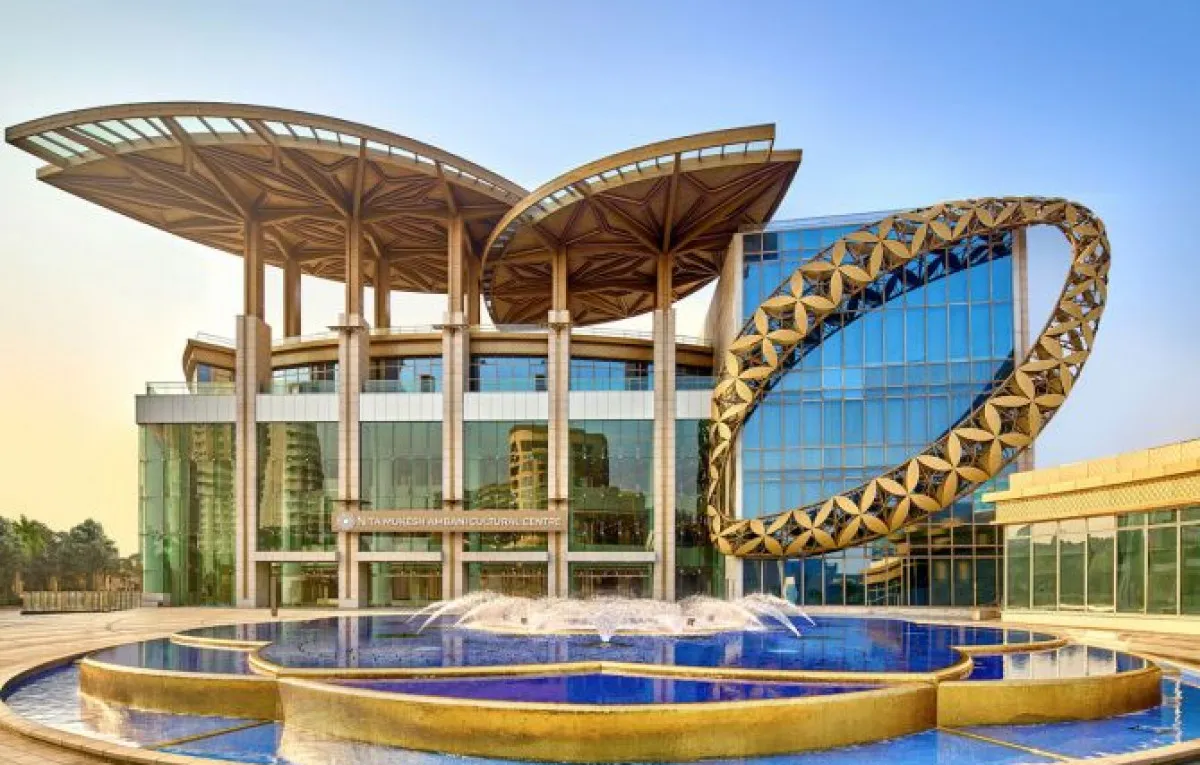
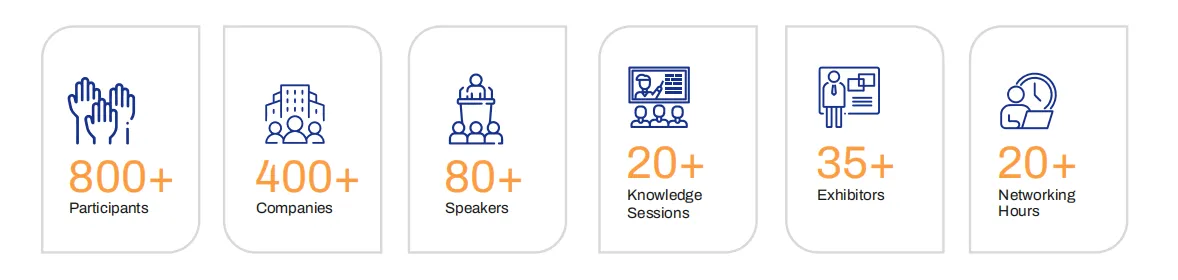
The Global Commodity Conclave 2026, Hosted by MCX India and Co-Powered by BigMint, will be held on 12-14 August 2026 at the Jio World Convention Centre, Mumbai. As the inaugural edition, the conclave aims to bring together global industry leaders, policymakers, traders, producers, consumers, and financial institutions across the commodity sector.
Covering Bullion, Ferrous & Non-Ferrous Metals, Energy, and Agri Commodities, the conference will serve as a strategic platform for discussions on market outlook, trade dynamics, sustainability, risk management, and future industry trends.
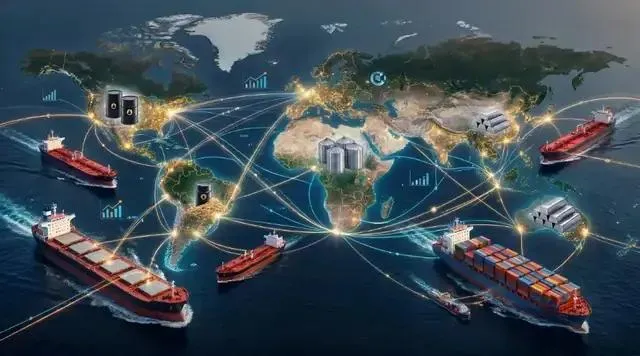
India is emerging as one of the fastest-growing commodity-consuming economies and a key participant in global commodity trade. As a major importer and exporter across bullion, energy, agri commodities, and metals, the country plays an increasingly strategic role in global supply chains and market dynamics. With expanding industrial growth, infrastructure development, rising investment participation, and evolving commodity markets, India is well positioned to become a leading global hub for commodity trade, price discovery, and market innovation.
With a vision to evolve into a leading global commodity platform, the conclave seeks to position India at the forefront of international commodity dialogue, collaboration, and market innovation.
Conference Theme
Shaping the future of global commodity markets
As the global commodity landscape is reshaped by geopolitical shifts, evolving trade flows, energy transition, and technological advancement, commodities are becoming increasingly central to economic growth, market stability, and industrial development. GCC 2026 will convene global leaders, policymakers, and market participants to explore the opportunities, risks, and innovations defining the future of bullion, non-ferrous metals, energy, and agri commodities, while shaping India's journey towards becoming a leading force in global commodity markets by 2030.
Bullion markets continue to attract strong investor interest amid geopolitical uncertainties, evolving monetary policies, and central bank buying. Gold remains a preferred safe-haven asset, while silver is benefiting from both investment demand and growing industrial consumption linked to the global energy transition.
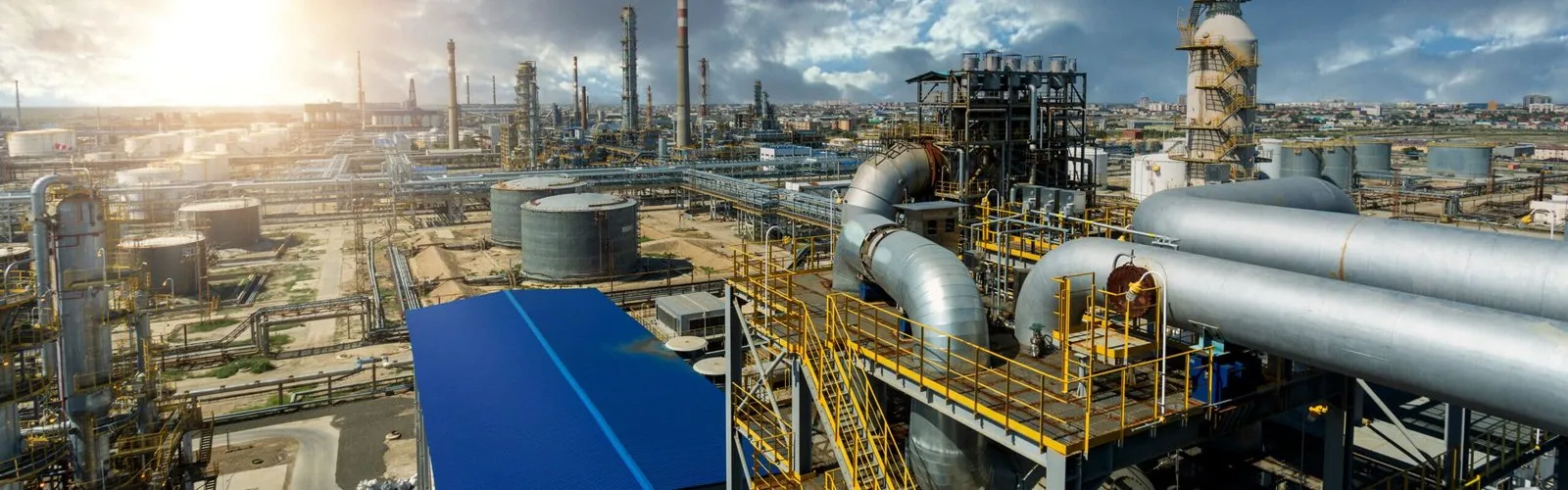
Energy markets are experiencing heightened volatility amid shifting geopolitical landscapes, changing demand patterns, and the accelerating transition toward cleaner energy sources. Balancing energy security, affordability, and sustainability continues to be a critical priority for market participants worldwide.
Non-ferrous metals markets remain at the center of the global energy transition, driven by increasing demand from electric vehicles, renewable energy, and infrastructure development. Supply constraints, resource security concerns, and sustainability imperatives continue to influence price trends and investment decisions.
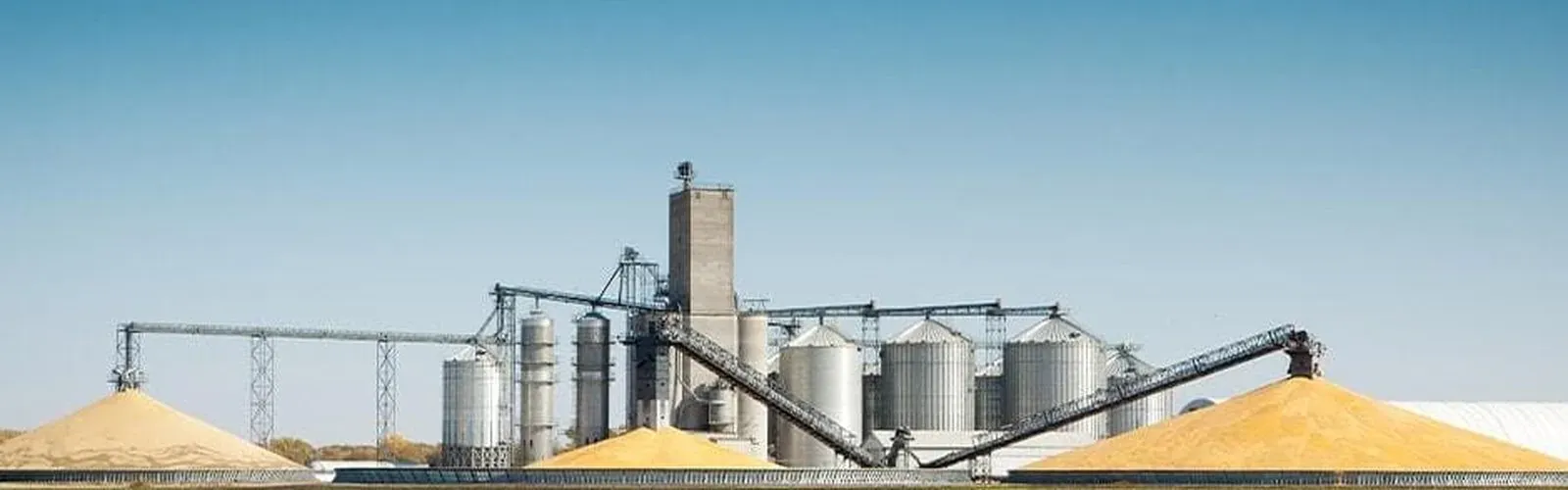
Agricultural commodity markets are navigating weather-related disruptions, changing crop patterns, and evolving trade policies. Rising focus on food security, sustainability, and supply chain resilience is reshaping market dynamics, creating new opportunities and challenges across key agri value chains.
As commodity markets mature and physical settlement gains greater relevance, the delivery ecosystem is becoming a key focus area for market participants. Discussions will explore the evolving role of warehousing, logistics, quality assurance, and delivery mechanisms in enhancing market efficiency, transparency, and confidence across the commodity value chain.
Technology is rapidly transforming commodity and financial markets, with artificial intelligence, automation, data analytics, and digital platforms reshaping the way businesses operate. Discussions will focus on how technological innovation is improving market intelligence, risk management, trading efficiency, and overall competitiveness in an increasingly digital economy.
The legal and regulatory environment is evolving alongside changing market structures, cross-border trade dynamics, and technological advancements. Discussions will examine emerging regulatory challenges, compliance requirements, governance frameworks, and legal developments that are shaping the future of commodity and financial markets.
Retail participation has emerged as a powerful force in India's financial markets, supported by growing financial literacy, digital accessibility, and increasing investor confidence. Discussions will explore the factors driving this growth, changing investor behavior, opportunities in commodity and capital markets, and the role of retail investors in deepening market development.